
Home Closing Process Explained: Steps, Key Terms, and Common Challenges

Closing is the point where a home sale becomes official, but it is rarely just one appointment and a few signatures. It is a process with deadlines, documents, money transfers, inspections, title work, and plenty of coordination.
For buyers, closing means taking ownership. For sellers, it means transferring the property and receiving proceeds. For both sides, it helps to know what happens before anyone sits down to sign.
This guide walks through the complete home closing process from the first offer to the final paperwork. It is for general informational purposes only and is not legal, tax, or financial advice.
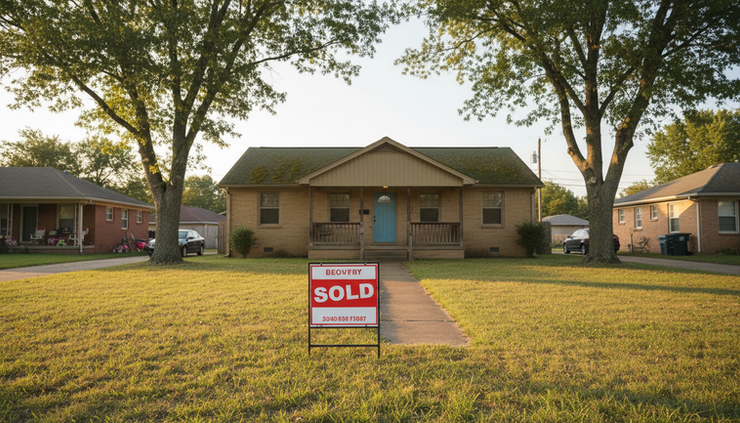
The closing process starts with the offer
The first major step is the purchase offer. The buyer submits a written offer that includes the proposed price, financing terms, closing date, earnest money amount, and any contingencies.
A seller can accept, reject, or counter the offer. Once both sides agree and sign, the contract becomes legally binding. This agreement sets the roadmap for the rest of the transaction.
Key terms to know at this stage include:
Purchase agreement The signed contract between buyer and seller.
Earnest money A good-faith deposit from the buyer. It is usually held by a neutral third party and applied toward closing costs or the down payment.
Contingency A condition that must be met for the sale to move forward. Common examples include inspection, financing, appraisal, and home sale contingencies.
Closing date The target date when ownership transfers from seller to buyer.
For buyers, the offer should fit both the budget and the property condition. For sellers, the highest offer is not always the strongest. Financing type, contingencies, deposit size, and timeline all matter.
Inspections, appraisal, and loan approval come next
After the contract is signed, the transaction moves into due diligence. This is where many delays or renegotiations happen.
The home inspection gives the buyer a clearer picture of the property’s condition. Inspectors typically review major systems such as the roof, plumbing, electrical, HVAC, foundation, and appliances. If serious issues appear, the buyer may request repairs, a seller credit, or a price adjustment.
The appraisal is ordered by the lender when the buyer uses financing. The appraiser estimates the home’s market value. Lenders use that value to decide how much they are willing to lend.
At the same time, the buyer works through underwriting. This is the lender’s detailed review of income, assets, credit, debt, and the property itself. Even if a buyer has been preapproved, the loan is not final until underwriting is complete and the lender issues a clear to close.

Common challenges during this stage include:
Inspection surprises Focus on major safety, structural, or system issues rather than small cosmetic flaws. Sellers can help by being upfront about known defects.
Low appraisal The parties may renegotiate the price, the buyer may bring more cash, or the seller may challenge the appraisal with stronger comparable sales if appropriate.
Financing delays Buyers should respond quickly to lender requests and avoid large purchases, new credit accounts, or job changes before closing.
Title work and closing disclosures prepare the sale for transfer
While inspections and lending move forward, a title company or closing attorney reviews ownership records. The goal is to confirm that the seller has the legal right to transfer the property.
This review is called a title search. It may uncover liens, unpaid taxes, recording errors, ownership disputes, easements, or old claims against the property. These issues usually need to be resolved before closing.
Buyers will also hear about title insurance. A lender’s title policy protects the lender. An owner’s title policy protects the buyer’s ownership interest, subject to policy terms and exclusions. In many areas, local custom influences who pays for which policy.
Before closing, the buyer receives a Closing Disclosure from the lender. This document shows the final loan terms, monthly payment, closing costs, prepaid items, and cash needed to close. In most financed purchases, buyers must receive it at least three business days before the loan can close.
Sellers may receive a settlement statement or seller closing statement. It shows the sale price, mortgage payoff, commissions, taxes, credits, fees, and estimated net proceeds.
Important concepts in this part of the process include:
Term | What it means |
Escrow | A neutral holding arrangement for money and documents during the transaction |
Lien | A legal claim against the property, often tied to unpaid debt |
Proration | Splitting costs such as property taxes or HOA dues based on the closing date |
Deed | The legal document that transfers ownership from seller to buyer |
Recording | Filing the deed with the county or local land records office |
The final walkthrough and closing day make it official
The final walkthrough usually happens shortly before closing. It is not a second inspection. Its purpose is to confirm that the home is in the expected condition, agreed repairs are complete, and included items are still present.
Buyers should check:
Plumbing, lights, heating, and cooling
Appliances included in the contract
Completed repairs
Any new damage
Vacant spaces, attic areas, garages, and basements
Keys, remotes, access codes, and warranties
If something is wrong, the parties may delay closing, create an escrow holdback, agree to a credit, or resolve the issue before signing.

On closing day, the buyer signs loan documents and transfer documents. The seller signs documents needed to transfer ownership and confirm payoff details. Funds are sent by wire or cashier’s check, depending on local rules and instructions.
Typical buyer documents may include the promissory note, deed of trust or mortgage, loan disclosures, tax forms, and settlement statement. Seller documents often include the deed, affidavit of title, payoff authorization, tax forms, and closing statement.
Once documents are signed, funds are received, and the deed is recorded, the transaction is complete. The buyer gets the keys, and the seller receives proceeds according to the closing agent’s timeline.
Common closing challenges can usually be solved early
Most closing problems are easier to handle when they are found early. Good communication matters more than almost anything else.
A few issues come up often:
Wire fraud risks
Always confirm wiring instructions directly with the title company or closing attorney using a trusted phone number. Do not rely only on email.
Missing documents
Buyers should keep pay stubs, bank statements, tax records, gift letters, and identification easy to access. Sellers should gather mortgage payoff details, HOA information, repair receipts, permits, and appliance manuals.
Repair disagreements
Put repair agreements in writing. Include who will do the work, what standard applies, and whether receipts are required.
Last-minute credit or income changes
Buyers should avoid opening credit cards, financing furniture, changing jobs, or moving large sums of money without talking to the lender first.
Unclear move-out timing
The contract should state when possession transfers. If the seller needs extra time, use a written post-closing occupancy agreement.

A skilled real estate professional can help keep deadlines, documents, and expectations on track. For guidance through buying or selling, contact Kim Jenard to talk through your next move.
A smooth closing comes down to preparation
Closing can feel complicated because many people are involved: buyers, sellers, agents, lenders, inspectors, appraisers, title professionals, attorneys, and insurance providers. Each step has a purpose.
The best way to reduce stress is to understand the timeline, respond quickly, read documents carefully, and ask questions as soon as something is unclear. When both sides stay organized and realistic, closing becomes what it should be: the final step toward a successful home sale.

Comments